For parents of curious 3 to 14 year olds
Screen time that builds how they think.
Wooden puzzles in 3D that grow spatial reasoning, logic and persistence. When your child gets stuck, a coach asks a question instead of giving the answer, so the “aha” is theirs.
- Skills that carry into maths and science
- Hints that teach, never just tell
- See what your child is getting better at
3 free challenges in every puzzle, no sign-up. No ads, ever.
What they’ll learn
Spatial reasoning
Picture shapes turned, flipped and fitted together.
21 puzzles →Shapes and geometry
Name, match and combine shapes.
12 puzzles →Logical reasoning
Rule things out until one answer is left.
14 puzzles →Planning ahead
Think a few moves ahead before moving.
13 puzzles →Pattern recognition
Spot what repeats and carry it on.
8 puzzles →Number sense
Count, compare and work with numbers.
7 puzzles →Working memory
Hold information in mind while thinking.
8 puzzles →Attention to detail
Look closely and notice small differences.
11 puzzles →
1.6M+challenges
38puzzles
9thinking skills
5levels in every puzzle
3–14ages
The puzzles
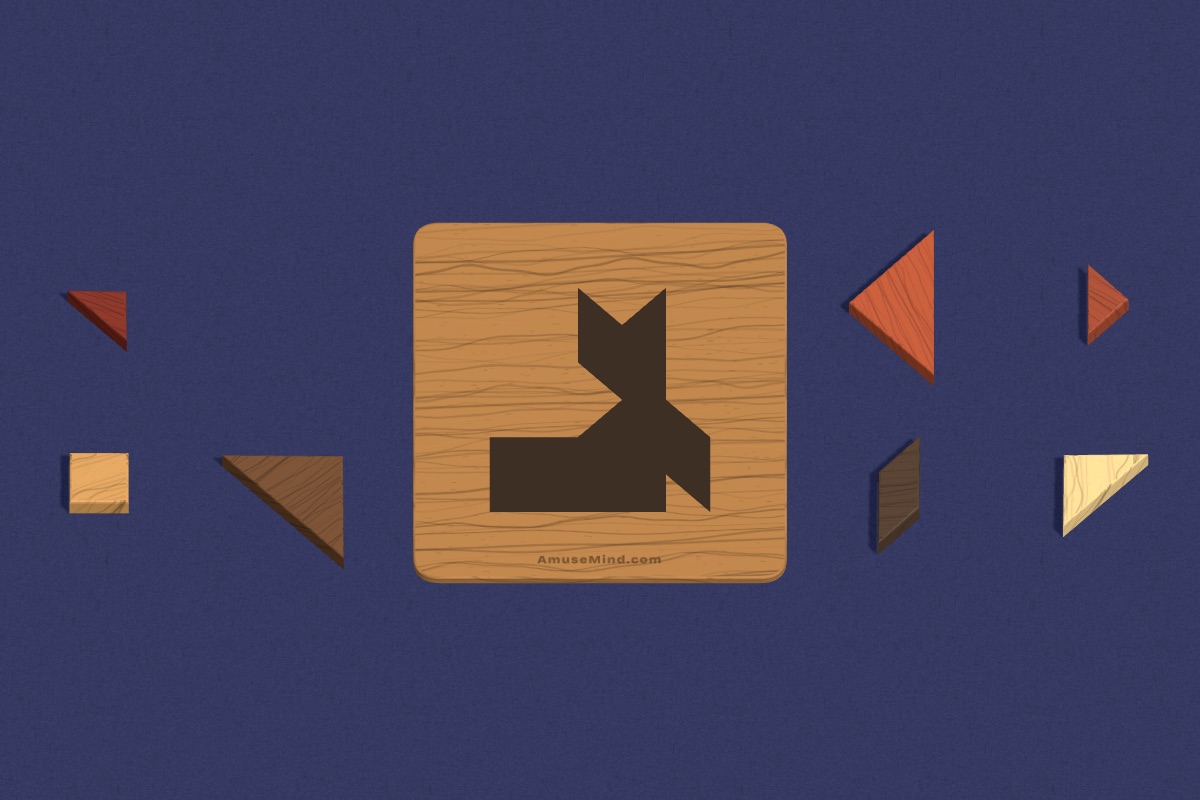
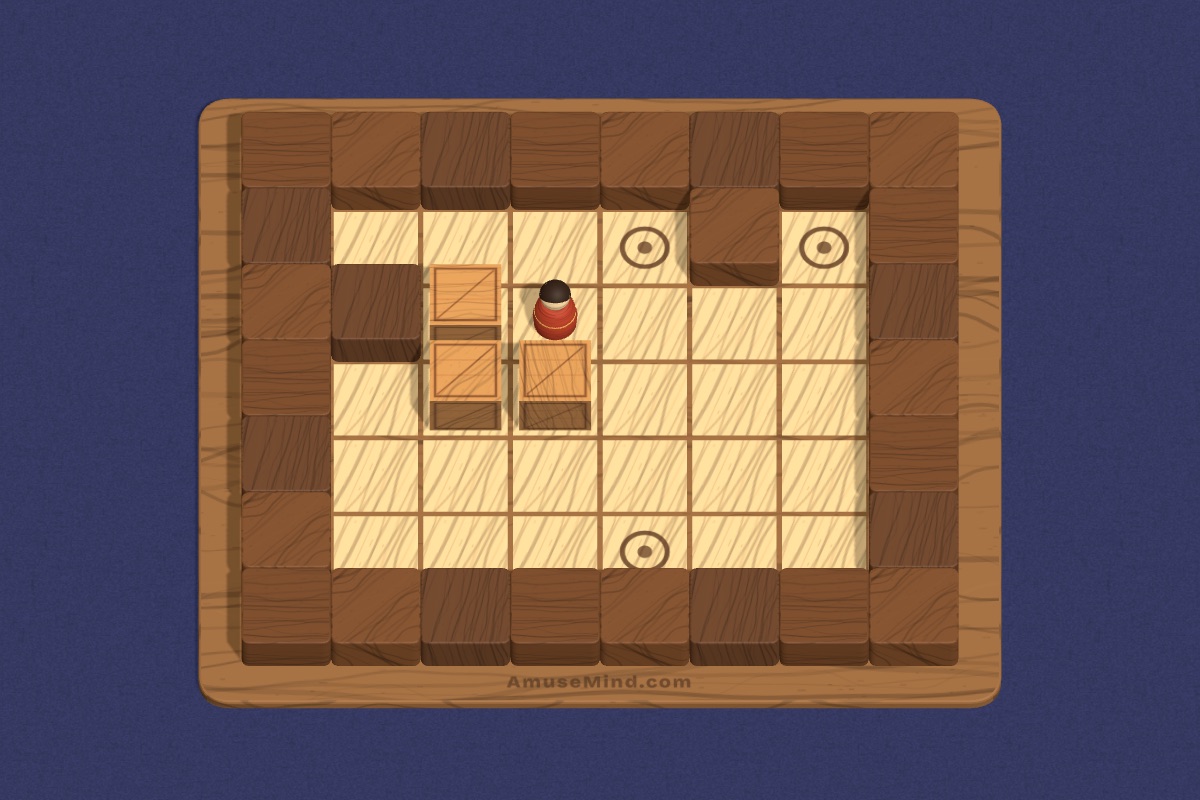
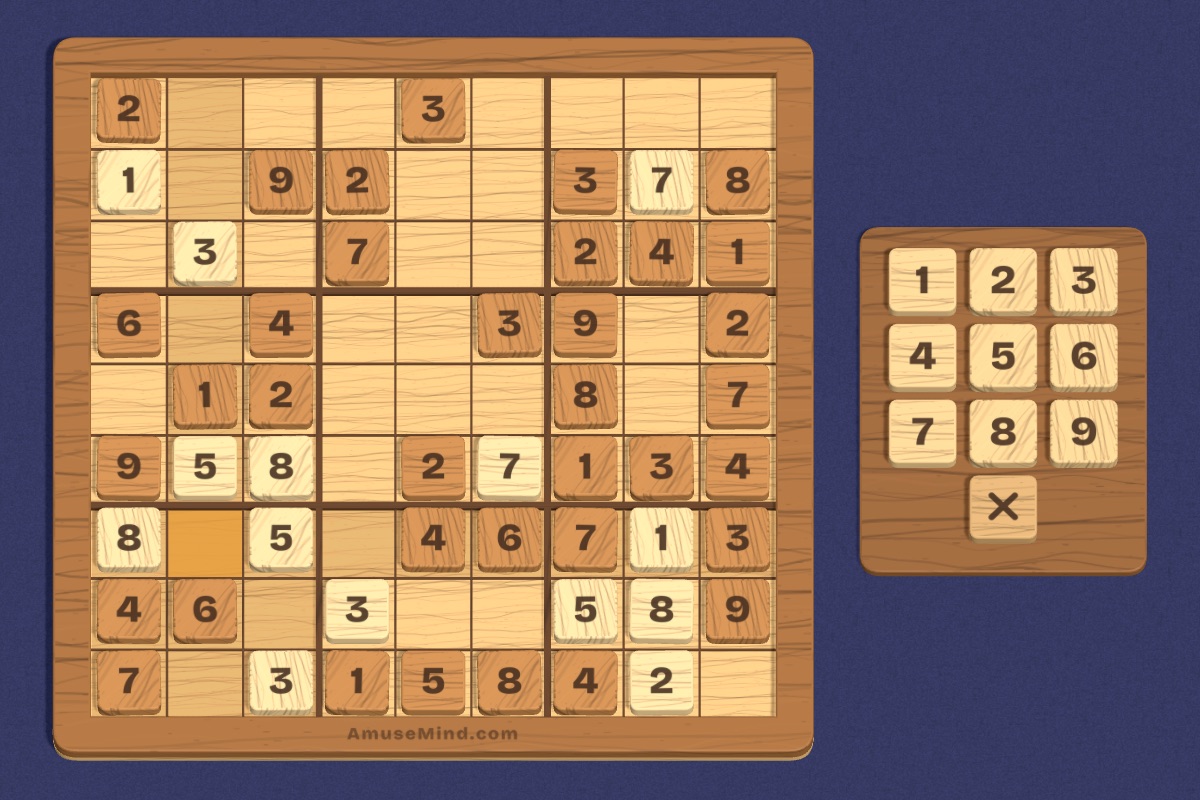
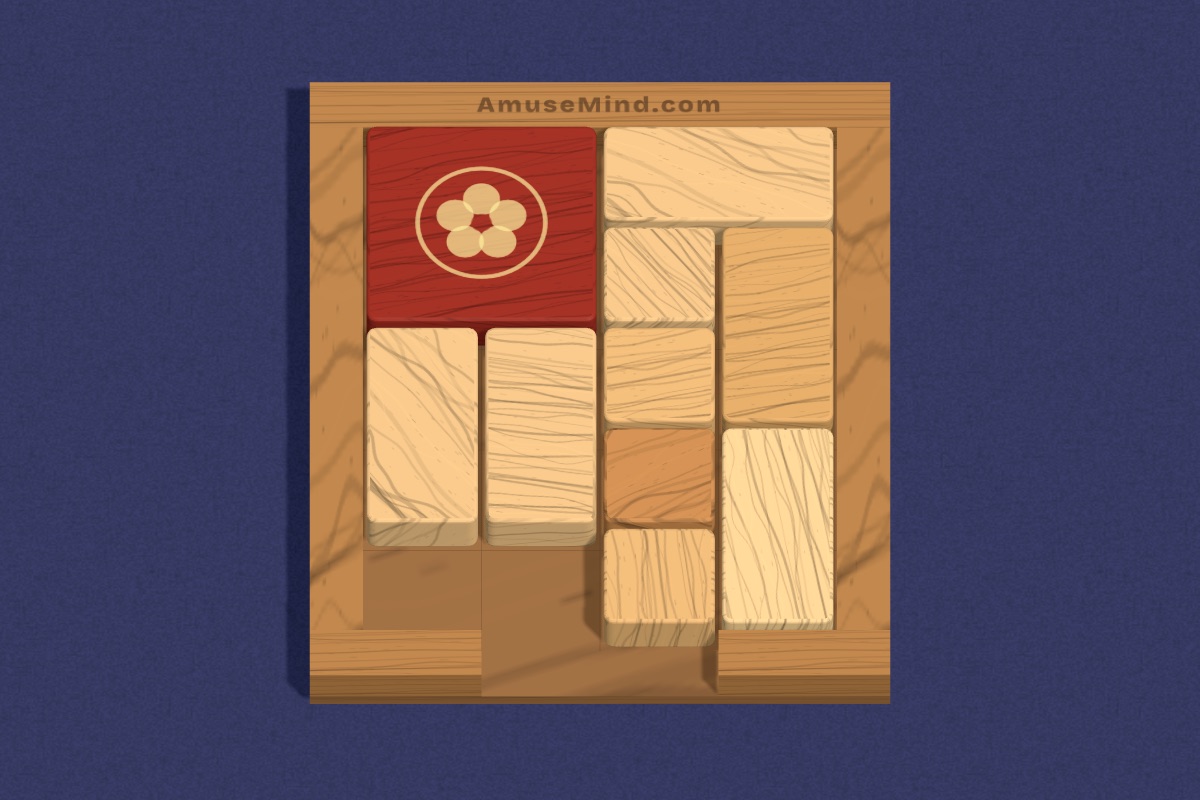
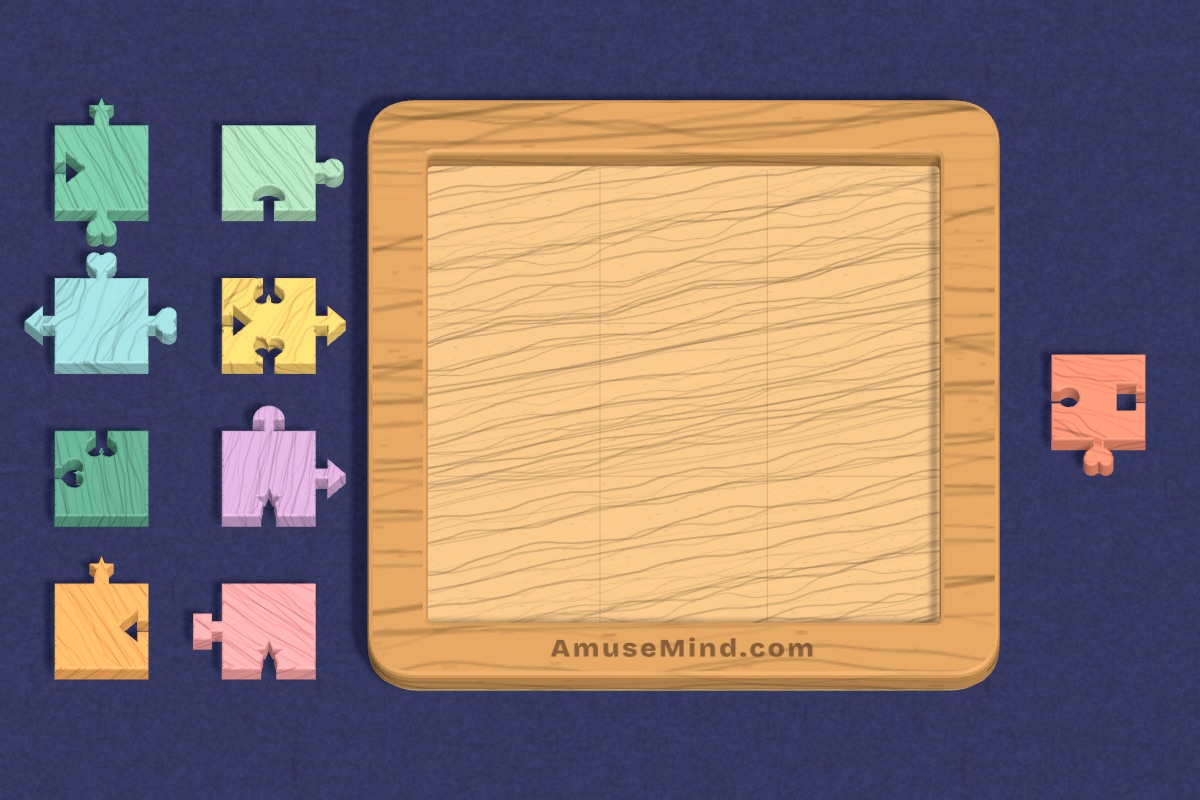
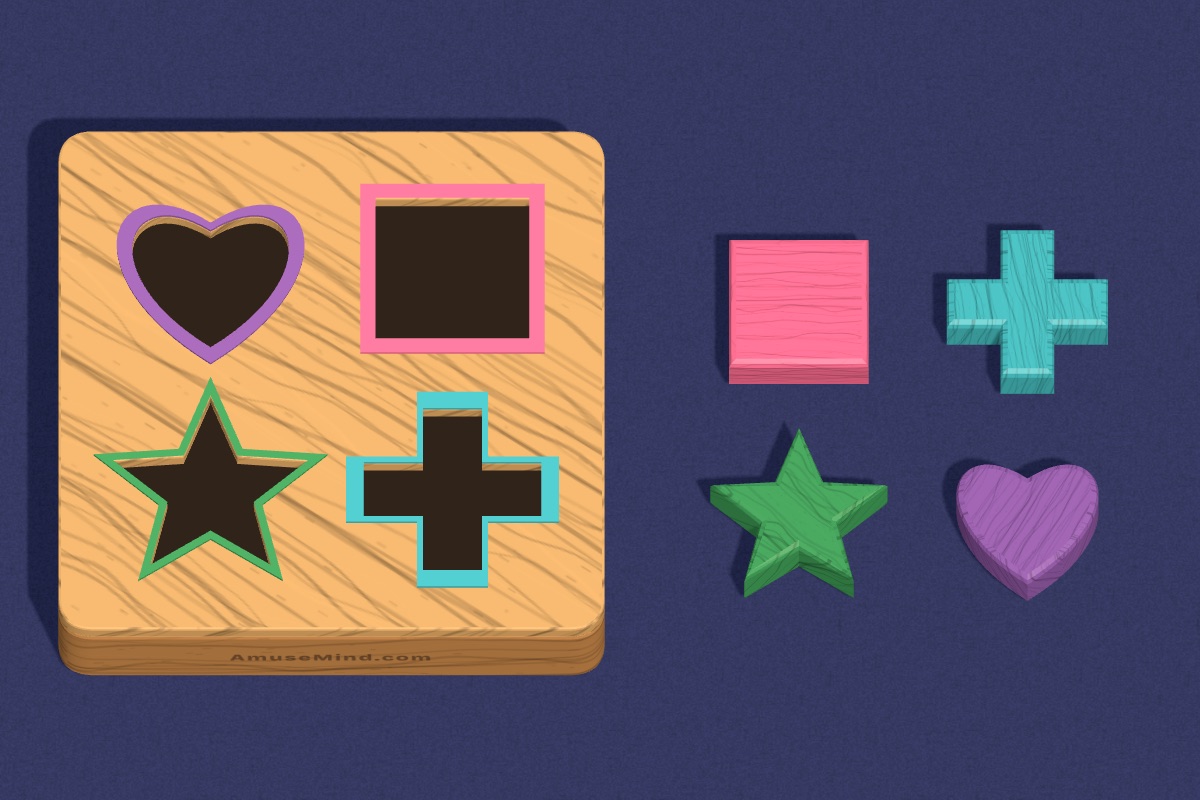
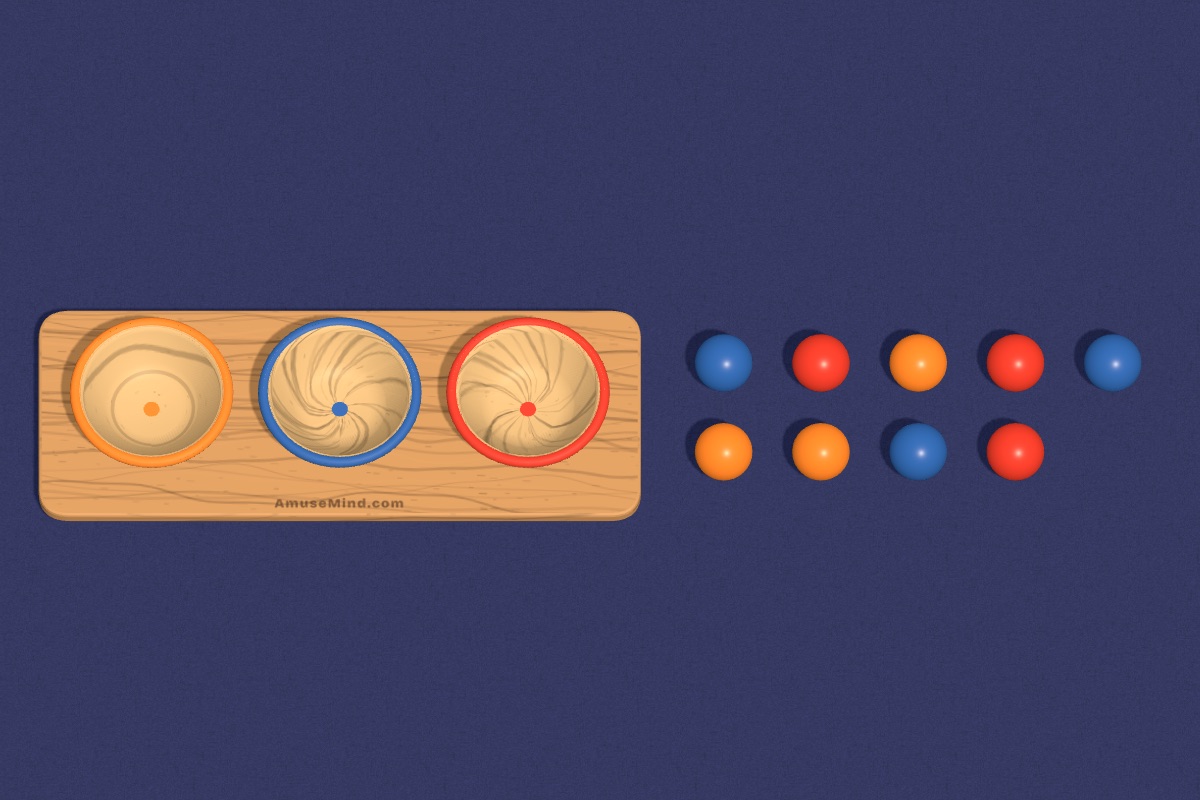
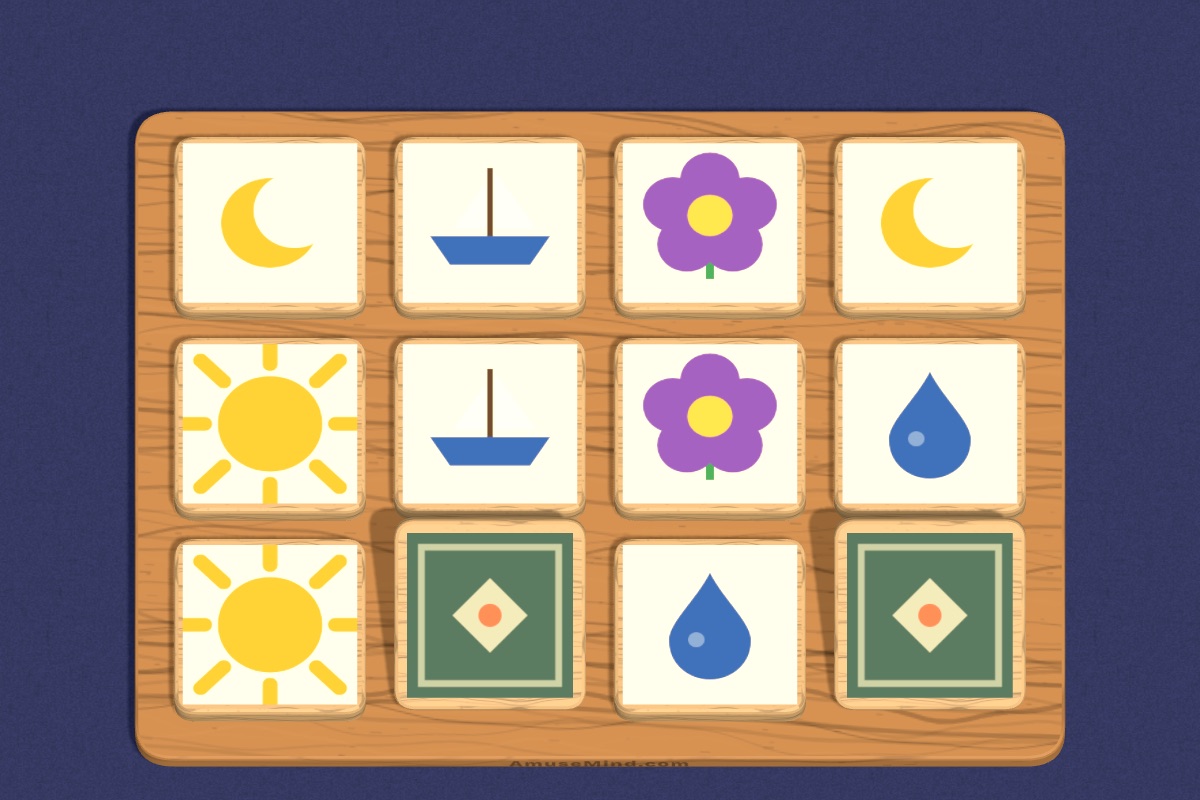
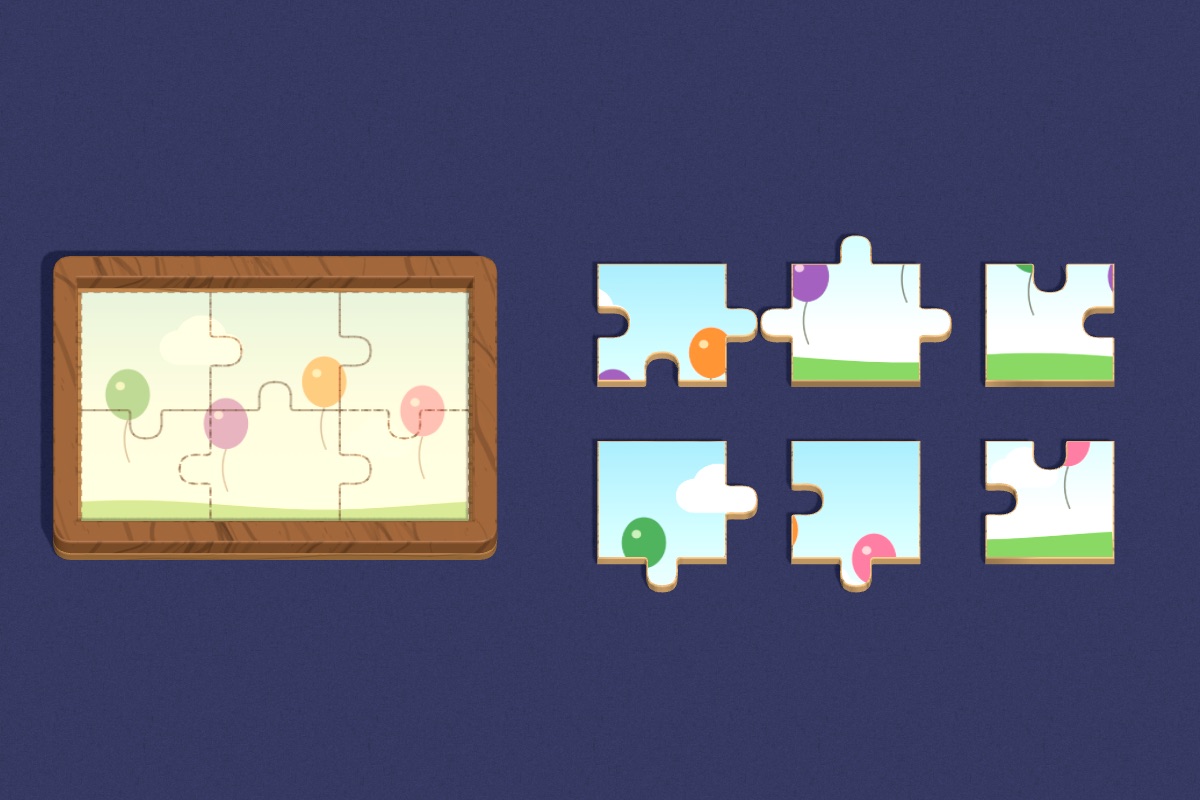
For little ones, ages 3 to 5
How AmuseMind teaches
Not just puzzles. Thinking you can see.
Most games reward getting the answer. AmuseMind helps kids learn how to find it, and shows grown-ups how they think.
A coach, not a cheat sheet.
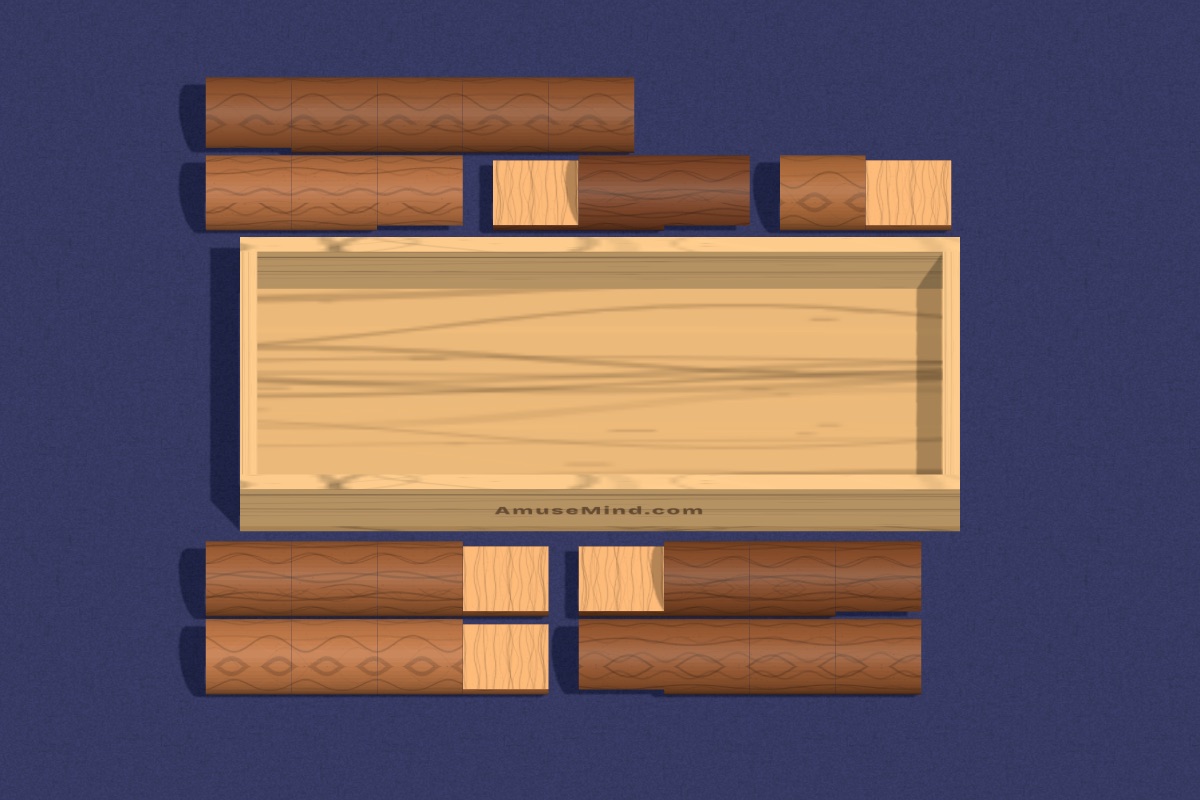
“Which logs have a cut end facing up? What could sit on top of them?”
Stuck? First you get a question. Then a glow on one piece. Only then the exact spot. You still do the solving.
Say how you did it.
“I put the long logs in first!” … “Smart plan. Could you spot the shared spot sooner next time?”
After a win, talk or type your strategy. The coach answers back, and you collect a learning card. There are 100+ to find.
See how they think.
“Ari turns pieces quickly but finds flipping harder.”
Plain-language notes built from what actually happened in the puzzle, so you know what they’re getting better at.
Hints are never wrong. The puzzle’s own solver checks what’s true on the board, and the AI only finds kind words for it. No names or chats are ever sent.
Most games reward the answer. Ours teach the thinking.
Most puzzle apps
- Stuck? Watch an ad or buy the answer.
- Points and streaks for speed.
- Grown-ups see a score, if anything.
AmuseMind
- Stuck? A question first, then a nudge, then the spot.
- Kids explain how they solved it, and the coach answers back.
- Grown-ups get notes on how their child thinks.
Questions grown-ups ask
Is the AI doing the work for my child?
No. Hints go in three steps: a question to think about, then a glow on one piece, and only then the exact spot. The puzzle’s own solver decides what is true on the board; the AI only puts it into kind, simple words. Your child still does the solving.
How much screen time is this?
Most puzzles take 5 to 15 minutes, and each one ends with a clear finish. There are no streaks, timers that nag, or endless feeds pulling kids back.
Is it safe and private?
Children never have accounts and never type their name. Hints send only the puzzle board, never names or chat. No ads, no tracking, and we never sell data.
Does it cost anything?
The first 3 Beginner challenges of every puzzle are free, with no sign-up. Family Pro unlocks every challenge at all five levels, the hint coach, solutions and saved progress. During early access, every level is open to try. Cancel any time.
Stuck? Get a nudge, not the answer.
Family Pro adds the hint coach: a thinking question first, then a glowing piece, then exactly where it goes. Plus full solutions and progress saved across devices.